Table of Contents
The global streaming industry continues to evolve at an extraordinary pace, making 2026 one of the most promising years for filmmakers seeking OTT distribution opportunities. Streaming platforms are aggressively expanding their content libraries, regional programming investments are increasing, and audience demand for fresh, original stories remains stronger than ever.
For filmmakers, however, creating a great movie is only half the journey. The real challenge lies in successfully selling that movie to OTT platforms and securing a distribution deal that maximizes visibility, audience reach, and revenue potential.
The OTT marketplace is more competitive than ever. Every year, thousands of independent films, documentaries, short films, web series, and feature productions compete for limited acquisition slots. To stand out, we must approach OTT sales strategically, understanding exactly how platforms evaluate content, structure deals, negotiate rights, and assess commercial potential.
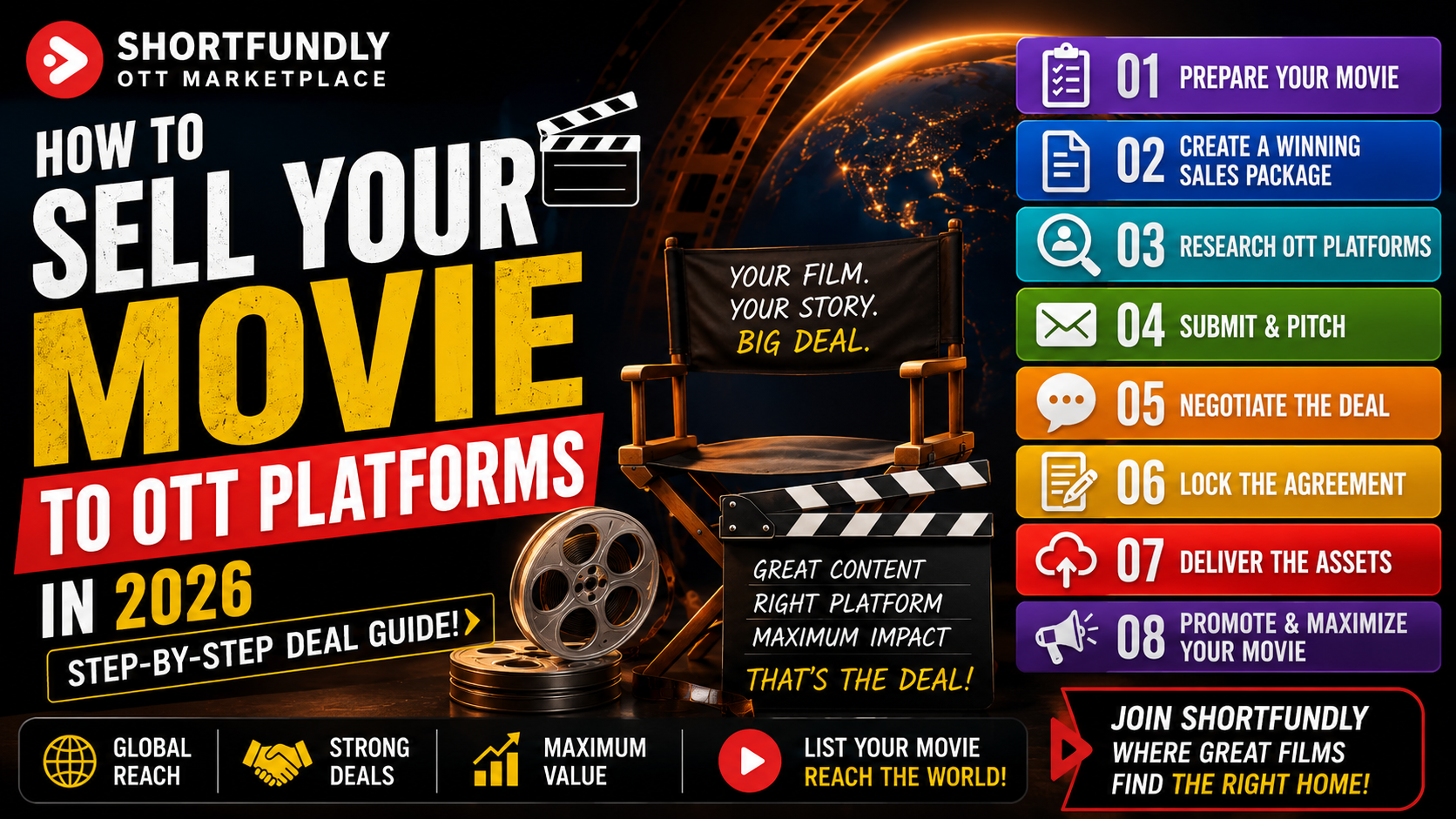
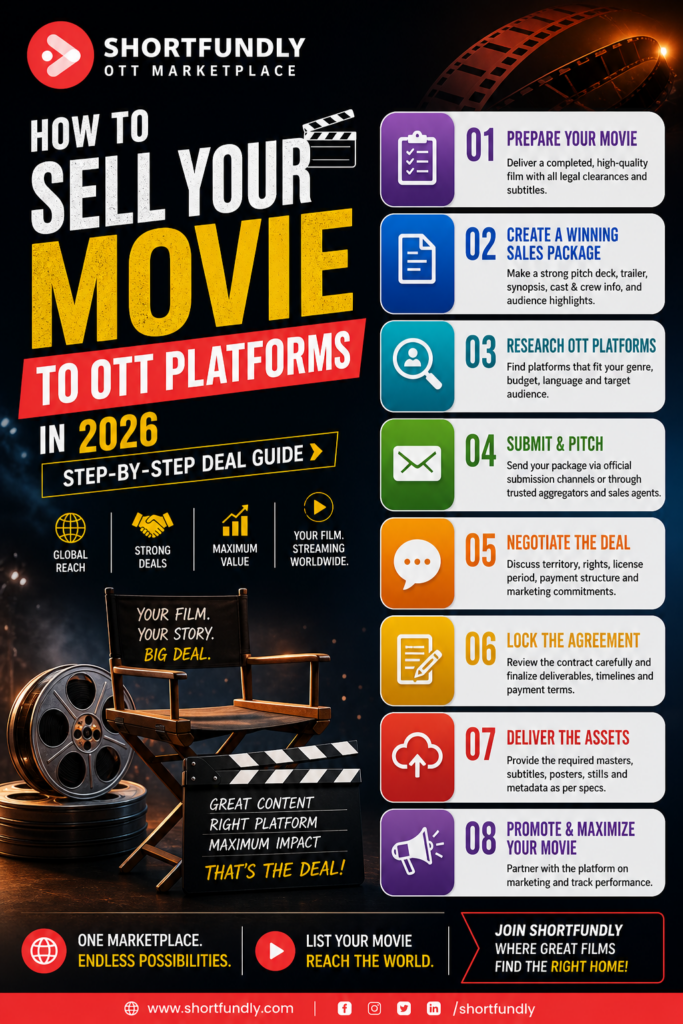
This comprehensive guide outlines the complete process of selling a movie to OTT platforms in 2026, from preparation and packaging to negotiations, licensing, and long-term monetization.
Understanding How OTT Platforms Acquire Content
Before approaching any streaming service, we must understand how OTT platforms make acquisition decisions.
Streaming companies evaluate content based on:
- Audience demand
- Genre performance
- Regional appeal
- Production quality
- Viewing retention potential
- Subscription growth opportunities
- Content exclusivity
- Market trends
Unlike traditional theatrical distributors, OTT platforms rely heavily on data-driven decision-making.
A movie that serves a clearly defined audience often performs better in acquisition discussions than a film attempting to appeal to everyone.
Understanding platform priorities allows us to position our movie more effectively during negotiations.
Preparing Your Movie for OTT Distribution
The preparation stage determines whether a project appears professional and market-ready.
Before approaching buyers, we should ensure every essential asset is complete.
Final Master Delivery
Platforms require professionally finished content.
Essential deliverables include:
- High-resolution master files
- Broadcast-quality audio
- Subtitle files
- Closed captions
- Artwork packages
- Promotional stills
Metadata Preparation
Metadata directly affects discoverability.
Required metadata often includes:
- Title
- Synopsis
- Genre
- Cast information
- Director details
- Production year
- Language information
Well-structured metadata improves platform evaluation and audience targeting.
Legal Documentation
OTT platforms require complete rights verification.
Necessary documentation includes:
- Copyright ownership
- Talent agreements
- Music licenses
- Location releases
- Distribution rights confirmations
Incomplete legal paperwork can delay or terminate acquisition discussions.
Identifying the Right OTT Platforms
Not every platform is suitable for every movie.
A strategic platform selection process increases the likelihood of securing a deal.
Global Streaming Platforms
Major services include:
- Netflix
- Amazon Prime Video
- Disney+
- Apple TV+
- Max
These platforms generally seek:
- Premium production quality
- Strong storytelling
- Commercial potential
- Unique audience appeal
Regional OTT Platforms
Regional services often acquire:
- Local-language films
- Cultural stories
- Independent productions
- Niche audience content
Regional platforms may provide faster acquisition opportunities for independent filmmakers.
AVOD Platforms
Advertising-supported platforms continue expanding rapidly.
Examples include:
- Tubi
- Pluto TV
- Freevee
- Roku Channel
These services often accept a broader range of content categories.
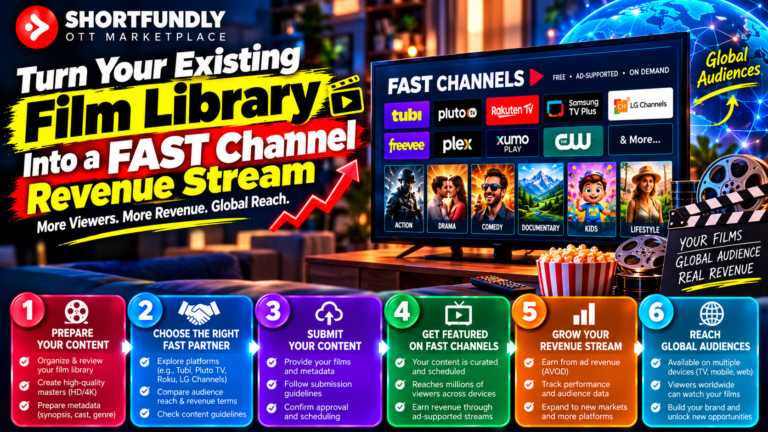
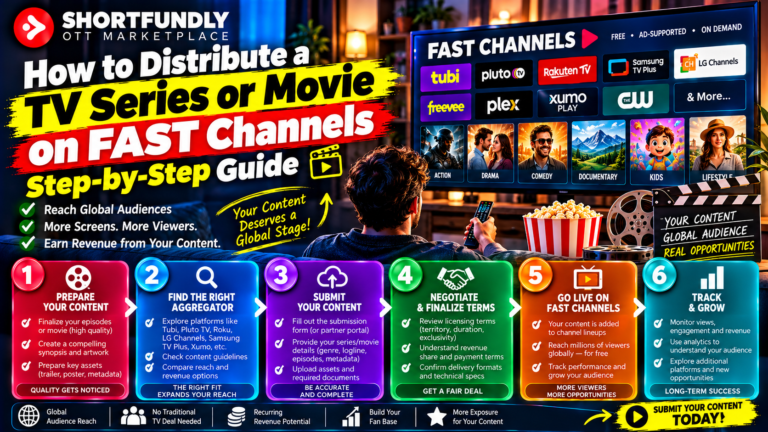
FAST Channels
Free Ad-Supported Streaming Television channels have become increasingly important.
FAST distribution can provide:
- Additional exposure
- Recurring advertising revenue
- Expanded audience reach
Diversifying platform opportunities improves distribution flexibility.
Building a Professional Sales Package
The sales package is often the first impression buyers receive.
An effective package should include:
Movie Trailer
A compelling trailer highlights:
- Story strength
- Production quality
- Audience appeal
The trailer must communicate value immediately.
Pitch Deck
A professional deck should contain:
- Story overview
- Director statement
- Market positioning
- Audience profile
- Festival achievements
- Cast highlights
Press Kit
Press materials improve credibility.
Include:
- Production notes
- Biographies
- High-resolution images
- Reviews
- Awards
Professional presentation significantly improves buyer confidence.
Using Film Festivals to Attract OTT Buyers
Film festivals remain one of the strongest pathways to OTT acquisition.
Major festivals attract acquisition executives searching for new content.
Important benefits include:
- Industry exposure
- Market validation
- Critical reviews
- Networking opportunities
- Distribution discussions
Even regional festivals can generate meaningful acquisition interest when combined with strong audience reactions.
Festival recognition often increases negotiation leverage.
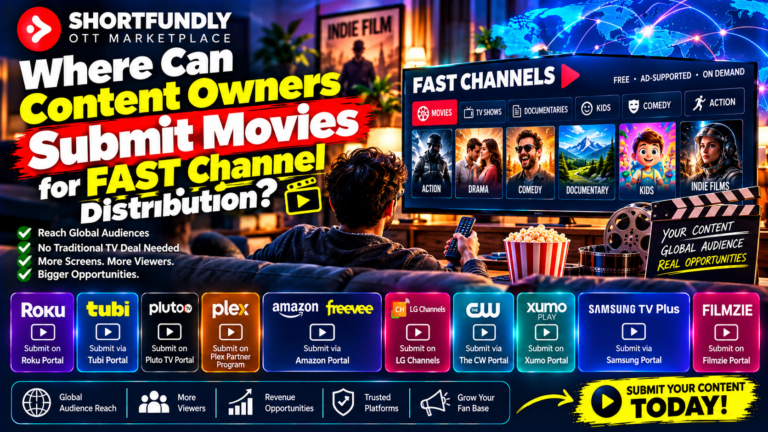
Working with OTT Aggregators and Distribution Companies
Many streaming services do not accept direct submissions from filmmakers.
Instead, they work through approved distributors and aggregators.
Aggregators help with:
- Technical delivery
- Metadata management
- Rights administration
- Revenue collection
- Platform relationships
Independent filmmakers frequently use services such as Shortfundly Distribution to access OTT opportunities that may otherwise be difficult to reach directly.
A strong aggregator can simplify the acquisition process while expanding distribution possibilities.
Understanding OTT Deal Structures
OTT agreements generally follow several common models.
License Fee Deals
The platform pays a fixed amount for streaming rights.
Advantages include:
- Guaranteed revenue
- Predictable cash flow
- Lower financial risk
Revenue Share Agreements
Revenue is divided between the platform and content owner.
Benefits include:
- Ongoing income
- Scalability
- Long-term earning potential
Minimum Guarantee Agreements
The platform guarantees a base payment while providing additional earnings opportunities.
This structure combines security and upside potential.
Exclusive Deals
Exclusive rights grant a single platform access to the content.
Advantages:
- Higher compensation
- Stronger platform support
Challenges:
- Reduced flexibility
- Limited future licensing opportunities
Understanding these models helps us evaluate offers more effectively.
Negotiating the Best OTT Deal
Strong negotiation directly influences profitability.
Key negotiation areas include:
License Duration
Common terms include:
- One year
- Three years
- Five years
Shorter agreements often create future renegotiation opportunities.
Territory Rights
Determine where the movie may be distributed.
Options include:
- Global rights
- Regional rights
- Country-specific rights
Revenue Participation
Revenue-sharing agreements should clearly define:
- Gross revenue calculations
- Net revenue deductions
- Reporting procedures
Marketing Commitments
Platforms may provide:
- Homepage placement
- Social promotion
- Advertising support
Negotiating promotional commitments can significantly improve performance.
Common Reasons OTT Platforms Reject Movies
Understanding rejection factors improves submission quality.
Frequent causes include:
Weak Technical Standards
Poor audio and video quality remain major obstacles.
Incomplete Rights Documentation
Unclear ownership creates legal risk.
Limited Audience Potential
Platforms prioritize content with identifiable target audiences.
Poor Packaging
Unprofessional materials reduce buyer confidence.
Market Saturation
Some genres face intense competition.
Recognizing these issues allows us to address weaknesses before submission.
Marketing Before and After the OTT Release
Distribution success requires audience development.
Effective marketing includes:
Social Media Campaigns
Build anticipation and engagement.
Influencer Collaborations
Expand audience reach within specific niches.
Media Coverage
Generate credibility through interviews and features.
Email Marketing
Maintain direct audience communication.
Community Engagement
Create long-term relationships with viewers.
Marketing activity should continue long after release.
The strongest-performing OTT titles maintain audience engagement throughout their distribution lifecycle.
Maximizing Revenue After the Initial OTT Deal
Many filmmakers focus only on the first acquisition payment.
However, long-term revenue often exceeds the initial licensing fee.
Additional opportunities include:
Secondary Licensing
Sell rights to additional territories.
FAST Distribution
Expand into ad-supported channels.
Educational Licensing
Universities and institutions frequently acquire content.
Airline and Hospitality Distribution
Hotels and airlines represent valuable secondary markets.
Broadcast Licensing
Traditional television remains a viable revenue source.
A diversified strategy increases overall project value.
OTT Trends Shaping Movie Sales in 2026
Several developments are influencing acquisition strategies.
Regional Content Expansion
Platforms continue investing heavily in local-language productions.
AI-Powered Content Discovery
Recommendation algorithms increasingly determine audience reach.
Data-Driven Acquisitions
Viewing analytics influence purchasing decisions.
Hybrid Monetization Models
Subscription and advertising models continue merging.
Independent Film Growth
Demand for unique stories remains strong across global markets.
Filmmakers who align projects with these trends improve acquisition potential.
Creating a Long-Term OTT Distribution Strategy
Successful filmmakers treat OTT sales as part of a broader business strategy.
Long-term planning should include:
- Rights management
- Audience development
- Platform diversification
- Revenue optimization
- Brand building
Every movie contributes to future opportunities.
Strong distribution decisions today create leverage for future projects.
Also read: https://blog.shortfundly.com/ott/low-budget-ott-distribution/
Conclusion
Selling a movie to OTT platforms in 2026 requires preparation, strategy, and professional execution. Success depends on presenting a market-ready product, selecting the right platforms, understanding acquisition criteria, building strong sales materials, negotiating favorable terms, and maintaining a long-term distribution perspective.
The most successful filmmakers approach OTT distribution as both a creative and business process. By focusing on audience alignment, technical readiness, rights protection, effective packaging, and smart negotiations, we can significantly increase the likelihood of securing valuable streaming deals.
As the OTT landscape continues expanding worldwide, filmmakers who understand the mechanics of platform acquisitions will be positioned to transform completed movies into profitable, globally accessible entertainment assets that continue generating value for years to come.