Table of Contents
Introduction
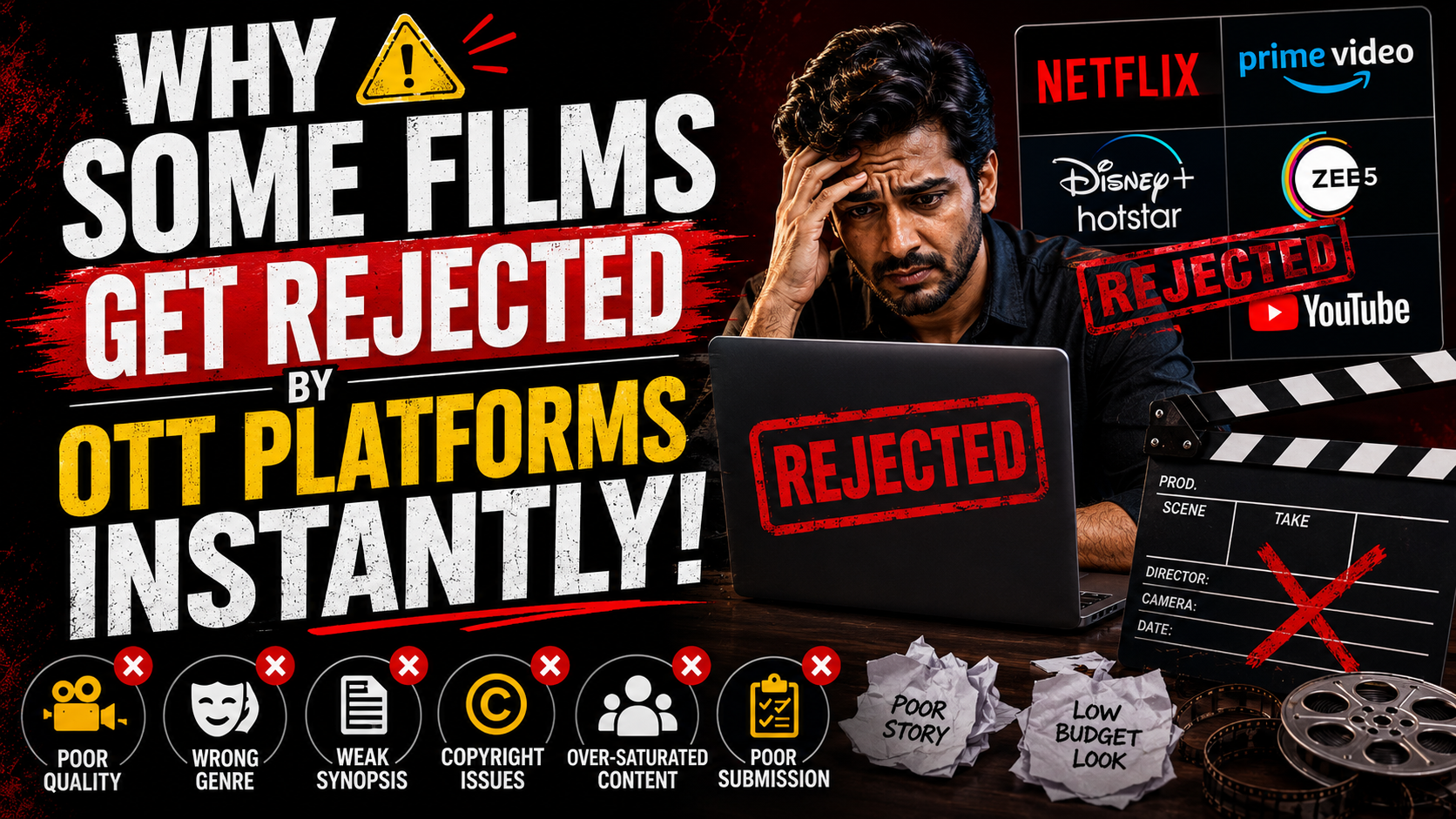
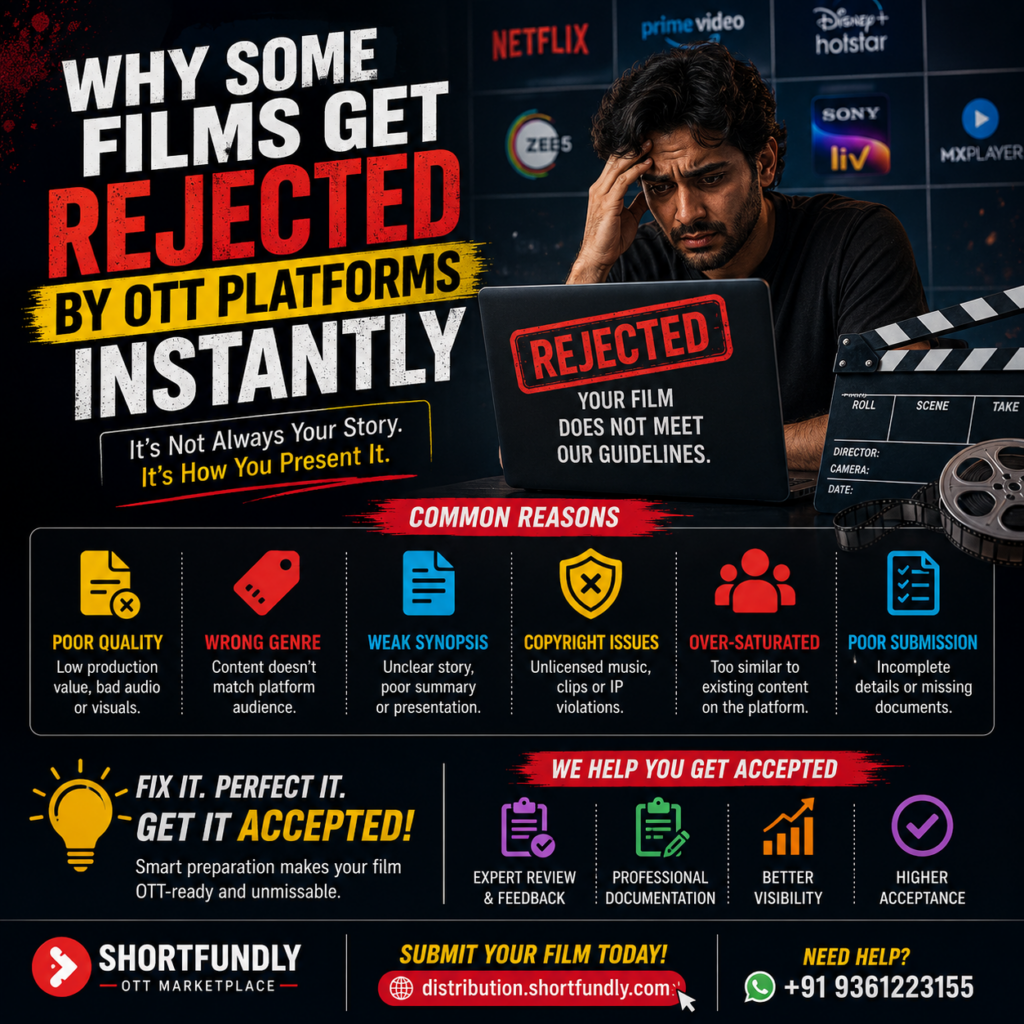
OTT platforms have transformed the global entertainment industry by providing filmmakers with direct access to millions of viewers. However, many creators are surprised when their projects receive immediate rejection notices after submission. Understanding why some films get rejected by OTT platforms instantly is essential for filmmakers who want to improve approval rates and successfully distribute their content.
Streaming platforms evaluate thousands of submissions every year. To maintain quality standards, protect audiences, and meet business objectives, they follow strict review procedures. A single technical issue, missing document, or content mismatch can result in a fast rejection.
This guide explains the most common reasons films are rejected and provides practical solutions to help creators improve their chances of approval.
Understanding OTT Platform Content Review Processes
How OTT Evaluation Works
Before accepting a film, OTT platforms perform multiple evaluations that may include:
- Technical quality checks
- Content review
- Legal verification
- Metadata validation
- Audience suitability assessment
- Regional compliance review
These reviews help platforms maintain consistency across their libraries.
Why Rejections Happen Quickly
Many OTT services use automated screening systems. If a submission fails basic technical or compliance requirements, it may be rejected before reaching a human reviewer.
Common automated rejection triggers include:
- Unsupported file formats
- Missing subtitles
- Poor audio quality
- Copyright conflicts
- Incomplete submission packages
Technical Issues That Cause Instant Rejections
Technical quality remains one of the most common reasons films fail OTT review.
Poor Video Quality
Streaming services require professional-quality masters.
Common problems include:
- Low resolution
- Pixelation
- Compression artifacts
- Incorrect frame rates
- Color grading issues
Platforms want viewers to enjoy a seamless viewing experience, making technical quality a top priority.
Audio Problems
Audio issues can be even more damaging than video defects.
Frequent audio-related rejection reasons include:
- Distorted dialogue
- Background noise
- Improper mixing
- Audio synchronization problems
- Missing audio tracks
Professional sound mastering dramatically improves acceptance chances.
Subtitle and Caption Errors
Many OTT platforms require subtitles.
Issues that trigger rejection include:
- Missing subtitles
- Timing errors
- Translation mistakes
- Formatting inconsistencies
Accurate subtitles improve accessibility and global distribution potential.
Legal and Copyright Problems
Legal compliance is critical for OTT distribution.
Music Licensing Issues
Using copyrighted music without proper authorization is one of the fastest ways to receive a rejection.
Filmmakers must secure:
- Synchronization licenses
- Master recording rights
- Composer agreements
Unauthorized Footage
Third-party footage requires documented permission.
Examples include:
- News clips
- Archival content
- User-generated videos
- Stock footage
Missing licenses create legal risks for streaming services.
Missing Talent Releases
Every performer appearing in a commercial project should have signed release forms.
Missing agreements may create future legal disputes, leading platforms to reject submissions.
Metadata and Submission Errors
Metadata helps OTT platforms categorize and recommend content.
Incomplete Metadata
Required metadata often includes:
- Title
- Synopsis
- Genre
- Runtime
- Cast information
- Director credits
Incomplete records slow down processing and may trigger rejection.
Incorrect Categorization
Incorrect genre selection or inaccurate descriptions can reduce discoverability and create approval concerns.
Content Quality Concerns
Even technically perfect films can be rejected if they fail to meet quality expectations.
Weak Storytelling
OTT platforms prioritize audience retention.
Common storytelling concerns include:
- Unclear narratives
- Weak character development
- Poor pacing
- Lack of engagement
Poor Editing
Editing quality significantly impacts viewer satisfaction.
Problems include:
- Abrupt transitions
- Inconsistent continuity
- Excessive runtime
- Repetitive scenes
Inconsistent Production Standards
Poor lighting, unstable camera work, and inconsistent audio can negatively affect content evaluation.
Marketability and Audience Fit
Platform Audience Mismatch
Each OTT service serves a unique audience.
A project may be rejected simply because it does not align with the platform’s content strategy.
Examples include:
- Niche documentaries submitted to mainstream entertainment platforms
- Regional-language content submitted to platforms lacking regional support
Limited Commercial Potential
Platforms assess audience demand and revenue potential before approving content.
Factors considered include:
- Genre popularity
- Viewer trends
- Audience demographics
- Competitive positioning
OTT Content Policy Violations
Restricted Content Categories
Platforms enforce content policies that vary by region.
Certain categories may face restrictions, including:
- Graphic violence
- Explicit sexual content
- Hate speech
- Defamation
- Copyright violations
Compliance Requirements
Content must comply with local regulations and platform standards.
Failure to meet these requirements can result in immediate rejection.
How to Improve OTT Approval Chances
Technical Preparation
Before submission:
- Conduct quality control reviews
- Verify audio standards
- Test subtitles
- Confirm export specifications
Legal Compliance
Ensure all rights and permissions are documented.
Maintain organized records for:
- Music
- Talent
- Locations
- Third-party materials
Professional Distribution Support
Many filmmakers improve approval rates by working with experienced distributors.
One option is Shortfundly Distribution, which helps filmmakers prepare submissions and access OTT opportunities.
Learn more here:
https://distribution.shortfundly.com
Role of Distribution Partners
Professional distributors help reduce rejection risks by:
- Reviewing technical requirements
- Managing documentation
- Preparing metadata
- Facilitating submissions
- Communicating with OTT platforms
This support can significantly improve approval outcomes.
Frequently Asked Questions
1. Why do OTT platforms reject films immediately?
Most instant rejections result from technical issues, copyright problems, missing documents, or content policy violations.
2. Can a rejected film be resubmitted?
Yes. Many platforms allow resubmission after issues have been corrected.
3. Do short films face the same review process?
Generally, yes. Short films must meet the same technical and legal standards.
4. How important are subtitles?
Subtitles are essential for accessibility, localization, and platform compliance.
5. Does professional editing increase approval chances?
Absolutely. Strong editing improves quality perception and audience engagement.
6. Can distribution partners help prevent rejection?
Yes. Experienced distributors can identify problems before submission and improve approval rates.
Also read: https://blog.shortfundly.com/ott/fast-ott-platforms-distribution/
Conclusion
Understanding why some films get rejected by OTT platforms instantly can save filmmakers valuable time, money, and frustration. Most rejections stem from preventable issues such as technical errors, incomplete documentation, copyright concerns, weak metadata, or platform mismatches.
By investing in professional preparation, ensuring legal compliance, and selecting the right distribution strategy, filmmakers can significantly improve their chances of OTT approval. Careful planning not only reduces rejection risks but also enhances discoverability, audience engagement, and long-term success.
For creators seeking a streamlined OTT submission process, Shortfundly Distribution offers support for independent films, documentaries, short films, and web series.
Submit your content:
https://distribution.shortfundly.com/
The key to OTT success is preparation. The more complete and professional your submission package is, the greater your chances of securing distribution and reaching audiences worldwide.